Steven Blockmans
Senior Research Fellow, CEPS
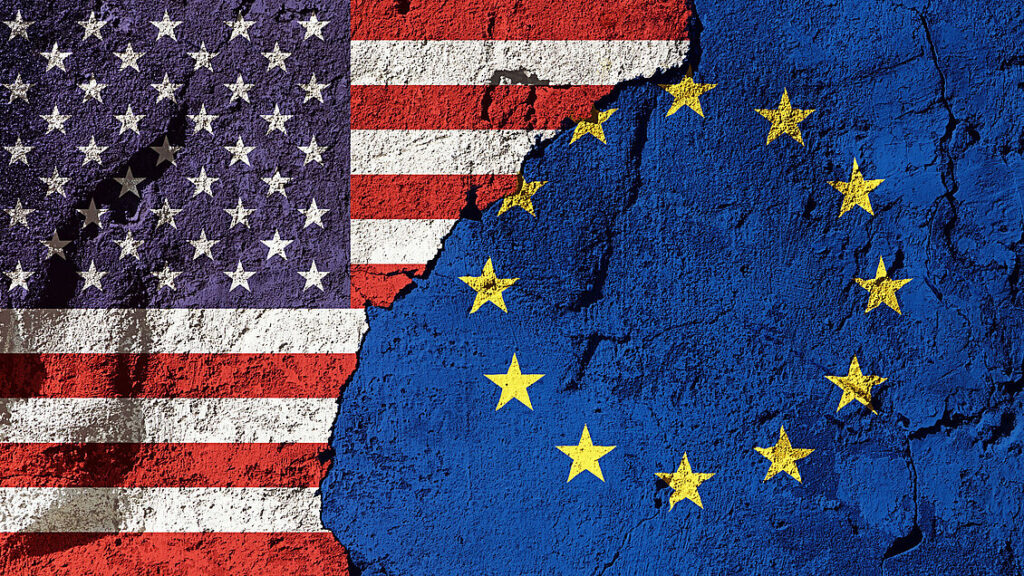
There’s no turning back now. That was the message from European leaders who gathered in Brussels for an emergency summit, called in response to Donald Trump’s threats to seize Greenland.
The summit turned into a subdued gathering because the U.S. president had backed down 24 hours earlier. It became a wake for a decades-old world order that’s slipping away; the quiet realisation that Europe’s post-1945 rubicon had been crossed was.
French President Emmanuel Macron and German Chancellor Friedrich Merz were united in warning that the transatlantic crisis had catapulted the bloc into a harsh new reality. “We know we have to work as an independent Europe,” European Commission President Ursula von der Leyen said to the assembled press.
While the mental shift toward “strategic autonomy” has been gestating for years ― ever since Trump first moved into the White House in 2017 ― his unprecedented threats to Greenland acted as a sudden warning, forcing European leaders to take steps that would have been unthinkable even just a few months ago.
At the European Council summit, leaders congratulated themselves on the speedy, unified response and vowed that this couldn’t be a one-off. Paradoxically, member states were far from united: only few sent soldiers to Greenland, and it is far from certain that the EU would have found the qualified majority needed to activate its anti-coercion instrument.
It was the threat of deploying sweeping trade retaliation against the U.S. and suspending ratification of a bilateral trade agreement that rattled markets and led to a massive USD 1 trillion sell-off of American stocks. A day later, Trump made his spectacular U-turn, taking the off-ramp provided by NATO Secretary General Mark Rutte.
As European allies struggle to work out whether the US president’s pressure campaign to take over Greenland is truly over, they have come to accept that they cannot trust the US president to stick to an agreed outcome.
While much of Europe remains for the foreseeable future dependent on the US and its strategic enablers to deter an aggressive Russia, they have to operate on the assumption that they will have to bear the brunt of collective defence of the European continent.
Stronger defence cooperation is necessary and is currently being expressed at the strategic and operational levels in so-called “coalitions of the willing”. However, military power in Europe must not remain a national privilege, subject to domestic political whims. The EU must move towards majority decision-making in its foreign and security policy, linked to national parliamentary approval for the deployment of military resources. This will prevent the creation of a directorate of large states, ensure that responsibility for collective defence is shared, and make it part of a democratic debate at European level.